Bellingham vs. Mount Vernon: Choosing Your PNW Home Base
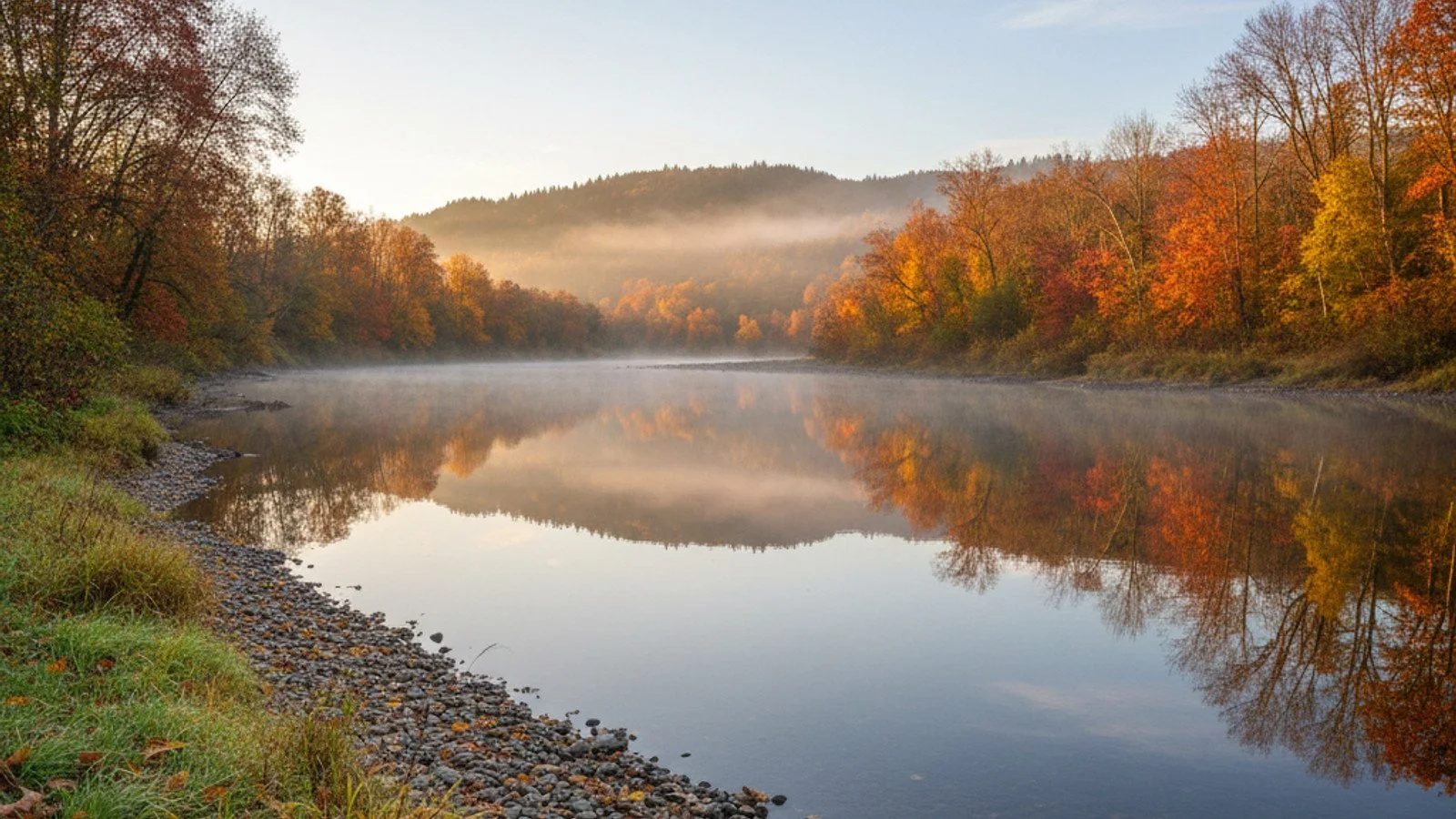
If you have spent any time driving up Interstate 5 north of Seattle, you know the landscape shifts dramatically once you pass Marysville. The strip malls fade away, replaced by rolling farmlands, river deltas, and eventually, the sweeping coastal hills of the Canadian border.
Right in the heart of this corridor sit two of Western Washington’s most distinct cities: Mount Vernon and Bellingham.
On paper, they might look similar. Both are vibrant communities along the I-5 corridor, both offer stunning mountain views, and both serve as major hubs for their respective counties. But the lifestyles they offer are vastly different. Bellingham is the bustling, coastal college hub known for its "city of subdued excitement" motto. Mount Vernon is the grounded, agricultural anchor of the Skagit Valley, offering a quieter pace and a strategic location closer to the metro area.
Choosing between them usually comes down to a single question: Do you prioritize the arts, breweries, and saltwater recreation of Bellingham, or do you need the commute feasibility, land value, and river-valley quiet of Mount Vernon?
Let’s break down the real numbers and the local vibe to help you decide.
Lifestyle & Vibe: College Town Energy vs. River Valley Quiet
The cultural atmosphere is where these two cities diverge the most. When you are looking at homes for sale in Bellingham or Mount Vernon, you aren't just buying a house; you are buying into a specific daily rhythm.
Bellingham is dominated by the presence of Western Washington University. With a median age around 34, the city has a youthful, energetic pulse. It is a town of coffee shops, independent bookstores, and a massive craft brewery scene. The politics tend to be progressive, and the lifestyle is heavily oriented toward the water—specifically Bellingham Bay. If you love walking out your door and heading to a bustling downtown art walk or catching live music, Bellingham has the density to support that.
Mount Vernon, on the other hand, feels more rooted in the earth. As the county seat of Skagit County, it is the epicenter of the region's agricultural heritage. This is the home of the world-famous Tulip Festival, which transforms the area every April. The vibe here is less about late-night breweries and more about community events, the farmers market, and the revitalization of the historic downtown waterfront. The median age is slightly higher (around 38), reflecting a population of established professionals and long-term residents. It has a "sleepier" nightlife, but a incredibly strong sense of small-town connection.
A Note on Microclimates
It is also worth noting the weather. While both are rainy, Bellingham is famous for the "Fraser River Outflow." In the winter, cold air rushes down from Canada, bringing high winds and freezing temperatures that Mount Vernon often escapes. Conversely, Mount Vernon can sometimes get caught in the Puget Sound convergence zone rain bands that Bellingham misses.
Cost of Living & Housing Market Comparison (2026 Trends)
For years, the conventional wisdom was that "drive until you qualify" meant moving south to Skagit County. While that is still generally true, the gap is narrowing. However, your dollar still behaves differently in each market.
Home Prices at a Glance In the current 2026 market, Bellingham remains the more expensive option, but Mount Vernon is catching up.
Bellingham Median Sold Price: Hovering near $647,000.
Mount Vernon Median Sold Price: Sitting in the low-to-mid $600,000s (approx. $622k).
Value for Money The sticker price doesn't tell the whole story. In Bellingham, that $647,000 median often buys you a modest, older craftsman on a tight city lot, or a condo near the water. Competition is fierce for anything walkable to neighborhoods like Fairhaven or Columbia.
In Mount Vernon, a similar budget often stretches much further. You are more likely to find larger lots, newer construction, or properties with actual acreage. If you are looking for a shop, a large garden, or just elbow room between you and the neighbors, the Skagit Valley housing market generally offers better "dirt value" per dollar.
The Rental Market If you aren't ready to buy, the rental landscape differs significantly. Bellingham’s rental market is historically tight and expensive, driven by thousands of university students competing for housing. Vacancy rates are low. Mount Vernon offers more single-family rental options, often at slightly lower rates, without the seasonal turnover pressure of a college town.
Taxes & Utilities Don't forget to factor in the local levies. While sales tax is similar across the region, property tax levies differ between Whatcom and Skagit counties. Generally, housing costs overall run about 14-15% lower in Mount Vernon when you factor in utilities, taxes, and price-per-square-foot.
Commute & Location: The Seattle Factor
For many relocators, this is the dealbreaker. How often do you need to go to Seattle, Everett, or Bellevue?
The Southbound Commute If you work in Everett or Seattle, Mount Vernon is the clear winner.
Mount Vernon to Seattle: Approximately 1 hour without traffic. It is a long commute, but many people do it.
Bellingham to Seattle: Expect 1.5 to 2 hours each way.
The reality of the I-5 corridor is the "Marysville bottleneck." Traffic tends to snarl heavily between Marysville and Everett. Mount Vernon places you much closer to that clearing point. Commuting daily from Bellingham to Seattle is widely considered unsustainable for most people due to the sheer distance and unpredictability of traffic.
The Northbound Advantage However, if your life involves trips to Vancouver, BC, Bellingham is superior. You are only 20 to 30 minutes from the Canadian border. Mount Vernon residents face a 50-minute drive just to reach the border crossing.
Public Transit Both cities are served by the Amtrak Cascades train, which is a fantastic way to get to Seattle or Vancouver for a weekend trip. However, for daily grinding, Mount Vernon has better bus connectivity to the Everett job centers via Skagit Transit and connectors to Sound Transit.
Outdoor Recreation: Saltwater vs. River & Trail
You can't go wrong with either city if you love the outdoors, but the type of recreation differs.
Bellingham: The Saltwater & Mountain Bike Capital Bellingham is world-renowned for Galbraith Mountain, a premier destination for mountain biking that attracts riders from across the globe. The access to Bellingham Bay also means sailing, kayaking, and paddleboarding are part of the daily culture after work. The Chuckanut Drive area offers incredible hiking where the mountains drop directly into the sea. It feels distinctly "coastal."
Mount Vernon: River Valleys & Alpine Access Mount Vernon feels more "pastoral." The mighty Skagit River anchors the recreation here, offering world-class fishing and eagle watching. Little Mountain Park is a local gem for hiking and trail running with sweeping views of the valley. Furthermore, Mount Vernon is the gateway to the North Cascades Highway (Highway 20). If your ideal weekend involves heading deep into the Cascades for backpacking or visiting Diablo Lake, you have a head start starting from Skagit County.
Crime Rates & Safety Statistics
When looking at safety, it is important to look at the context of the statistics. Both cities are generally safe places to live, but they face different challenges typical of their density.
Property Crime Bellingham tends to have higher rates of property crime (theft, car prowls, and vandalism) compared to Mount Vernon. This is largely attributed to it being a denser urban center with a larger transient population and a high volume of bicycles and street-parked cars. Residents in neighborhoods near downtown often invest in secure bike storage and vigilance regarding car safety.
Violent Crime Violent crime rates in both cities are relatively low compared to major metros, though Washington state has seen slight upticks regionally in recent years. Statistically, Bellingham has a violent crime rate that can track roughly 30% higher than Mount Vernon’s, depending on the year's data.
The general consensus among locals is that Bellingham faces "urban center" issues—homelessness visibility and petty theft—while Mount Vernon deals with "rural/suburban" issues. Most residents in both cities report feeling comfortable walking in their neighborhoods during the day.
Healthcare & Education
Access to essential services is a major factor for retirees and those planning long-term.
Healthcare Bellingham is home to St. Joseph Medical Center, the major Level III trauma center for the Northwest region. It has a wide array of specialists, cancer care, and cardiac units. Skagit Valley Hospital in Mount Vernon is an excellent facility, but it is smaller. For certain complex surgeries or specialized treatments, Skagit residents are sometimes referred north to Bellingham or south to Seattle.
Education Bellingham’s academic atmosphere is driven by the university, which trickles down into a culture that highly values education and arts programs. Mount Vernon’s schools are heavily supported by the local agricultural community. Bond measures for schools often see strong support here, reflecting a community that is invested in its long-term infrastructure.
The Verdict: Which City Fits You?
Ultimately, living in Bellingham vs. Mount Vernon comes down to what you are willing to trade off.
Choose Bellingham if:
You crave a walkable, urban environment with a strong brewery and arts culture.
You want direct access to saltwater recreation and the San Juan Islands.
You work locally or remotely and do not need to commute to Seattle.
You don't mind paying a premium for a smaller lot to be close to the action.
Choose Mount Vernon if:
You need to commute to Everett or Seattle occasionally.
You want more land, a larger house, or a quieter neighborhood for your money.
You prefer a grounded, small-town community feel over a college-town vibe.
You want easier access to the North Cascades and the Skagit River.
Frequently Asked Questions
Is it cheaper to live in Mount Vernon or Bellingham?
Yes, generally speaking, Mount Vernon is cheaper. While home listing prices are converging, the overall cost of living—including utilities, taxes, and price-per-square-foot for housing—is roughly 14% to 15% lower in Mount Vernon than in Bellingham.
How long is the commute from Mount Vernon to Seattle?
The drive from Mount Vernon to Seattle typically takes about 60 to 65 minutes without heavy traffic. However, during rush hour, this can easily extend to 90 minutes. It is significantly closer than Bellingham, which is rarely a feasible daily commute to Seattle.
Does it rain more in Bellingham or Mount Vernon?
Bellingham typically sees slightly less total rainfall than the foothills, but it is windier and darker. Bellingham is often hit by the "Fraser Outflow" winds from Canada, making it feel colder. Mount Vernon can sometimes get caught in the Puget Sound Convergence Zone, leading to different rain patterns, but it generally avoids the severe winds found further north.
Is Mount Vernon, WA a safe place to live?
Yes, Mount Vernon is considered a safe place to live. Statistical data indicates it has lower rates of both property and violent crime compared to the denser urban hub of Bellingham. Like any growing city, it has areas with higher activity, but the community is largely quiet and residential.