Planning to Build My Own Home in Bellingham WA: 2026 Costs and Guidelines
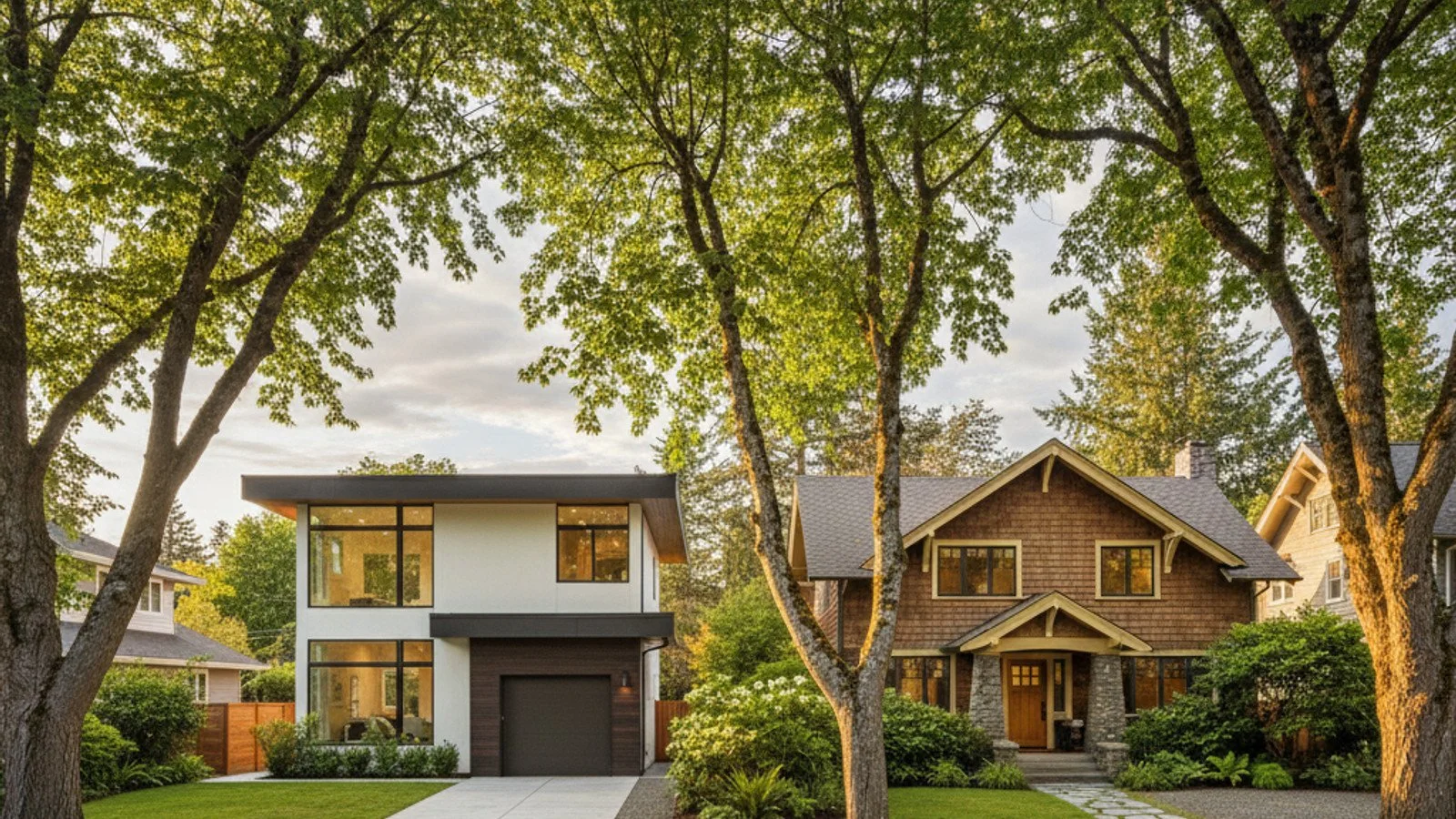
Many buyers looking at homes for sale in Bellingham eventually wonder what it takes to build a custom property from the ground up. Choosing to build my own home in Bellingham WA offers the chance to tailor a house specifically to the local climate and your personal design preferences. The local landscape features everything from dense urban lots near the waterfront to sprawling forested acreage out in Whatcom County.
Navigating the construction process in this region requires a solid understanding of local zoning laws, seasonal weather restrictions, and fluctuating material costs. Washington State enforces strict environmental regulations that directly impact where and how you can develop residential land. Grasping these local factors early on will help you set realistic budgets and timelines for your new home construction.
Finding and Buying Land in Bellingham
Securing the right piece of land is the most critical first step in your custom home journey. Vacant lot prices in the area generally range from $150,000 to well over $300,000, heavily dependent on the exact location and utility readiness. City limits offer smaller infill lots with easier access to existing infrastructure, while the surrounding county provides larger parcels of undeveloped acreage.
Utility access will dramatically shape your overall land acquisition budget and construction timeline. Buying an infill lot usually means straightforward connections to city water and municipal sewer systems. Purchasing raw land in Whatcom County often requires expensive private well drilling and custom septic system installations.
Raw land requires a buyer to start from scratch with soil testing and utility planning before any architectural drafting begins. Improved lots already have essential services pulled to the property line, saving significant time during the initial planning phases. You must weigh the upfront savings of raw acreage against the expensive reality of bringing modern infrastructure to a remote site.
Location also dictates your daily commute times and access to the I-5 corridor. Land further out in the county might offer more privacy, but it increases your travel time to employment centers and hardware stores. A clear takeaway for buyers is to prioritize utility access during the land search to prevent massive hidden site preparation costs.
The Residential Building Permit and Zoning Process
Securing a residential building permit in this region involves multiple layers of municipal oversight. Your property location determines whether you submit plans to the City of Bellingham Permit Center or Whatcom County Planning and Development Services. Each jurisdiction has distinct requirements for site plans, utility approvals, and environmental reviews.
Zoning regulations strictly dictate what you can actually build on your purchased lot. You must account for specific lot setbacks, maximum building heights, and strict limits on impervious surfaces like driveways and large patios. These rules ensure new construction aligns with the existing civic infrastructure and environmental goals of the area.
Environmental reviews play a massive role in the permitting timeline for properties located near wetlands or steep slopes. The county often requires specialized geological assessments to ensure the proposed home will not destabilize the surrounding terrain. Budgeting for these specialized engineering reports is crucial when evaluating heavily forested or sloped parcels.
Review timeframes for custom home permits in Washington State can stretch for several months. Submitting incomplete site plans will cause immediate delays in this already lengthy municipal process. A strong recommendation is to hire a local design and build firm that understands these specific county codes to keep your project moving forward.
Navigating Lake Whatcom Watershed Regulations
Building near Lake Whatcom introduces a highly specific set of environmental regulations. Because the lake serves as the primary drinking water source for the city, the local government enforces a strict watershed overlay district. These rules are designed to prevent runoff and protect the water quality from construction impacts.
Any property located within this watershed boundary faces severe restrictions on land use and seasonal work. Buyers must plan their entire construction schedule around these local environmental protections. The most critical regulations for watershed builds include:
A strict seasonal clearing limit that prohibits dirt work or land disturbance exceeding 500 square feet between October 1 and May 31.
Rigid caps on maximum hard surface areas, requiring advanced stormwater mitigation facilities for driveways and roofs.
Specific mandates for native tree retention to maintain the natural soil stability across the property.
Heavy restrictions on building Accessory Dwelling Units to limit population density near the water source.
Failing to account for the October through May dirt work ban is a common pitfall for new builders. The clear takeaway here is that watershed properties require a highly synchronized construction schedule to complete all major excavation during the dry summer months.
Custom Home Construction Costs in Whatcom County
Calculating the exact price to build a custom home requires looking at both site preparation and vertical construction. Average construction costs in the area currently range from $200 to $400 or more per square foot. This figure excludes the raw land purchase and is heavily influenced by local labor rates and Pacific Northwest material costs like lumber and custom cabinetry.
Site preparation is often the most unpredictable line item in a custom build budget. Developing a sloped lot or clearing undeveloped county land requires extensive grading, retaining walls, and utility trenching. These initial groundwork expenses can quickly consume tens of thousands of dollars before the foundation is even poured.
Beyond the hard costs of lumber and labor, buyers must account for soft costs like architectural fees, permits, and utility hookups. These administrative expenses easily add tens of thousands of dollars to your overall project budget before a single board is cut. Securing a comprehensive construction loan requires detailed cost breakdowns of both these hard and soft expenses.
Many local homebuilders focus on high-performance or zero-energy building standards. While these green building techniques increase your upfront construction costs, they significantly lower your long-term monthly carrying costs through energy efficiency. Buyers should over-budget for site preparation by at least twenty percent, especially when developing raw land outside the city limits.
Choosing the Right Lot Location and Amenities
Evaluating a lot requires looking beyond the property lines to the surrounding civic infrastructure. Proximity to major amenities like Whatcom Falls Park or the waterfront heavily influences both the land value and daily convenience. Buyers should map out the exact travel distances to major employment hubs and healthcare facilities like the PeaceHealth St. Joseph Medical Center.
Access to educational facilities and daily transit options should also drive your location decision. Properties closer to Bellingham Public Schools facilities often command a premium but offer established infrastructure connectivity. You should objectively evaluate features like continuous sidewalks, road maintenance, and public transit access when touring vacant land.
Reviewing the city comprehensive plan helps you understand potential future developments near your chosen lot. A forested parcel today might sit next to a planned commercial zone or arterial road expansion in the coming decade. Checking the long-term zoning maps prevents unexpected surprises that could alter your property value and daily living experience.
Finding the perfect balance between acreage and accessibility is a major challenge for new home construction. Rural lots provide space, but urban lots offer immediate access to essential services and faster emergency response times. The definitive takeaway is to prioritize your daily commute and infrastructure needs over raw square footage when selecting a final location.
Frequently Asked Questions
What is the typical timeline for building a custom home in Bellingham?
The timeline from initial land purchase to move-in day typically spans 12 to 24 months. Permitting alone can take three to six months through the local planning departments. Weather restrictions, like the winter dirt work bans in the watershed, heavily dictate when you can pour foundations and frame the structure.
Is $200,000 enough to build a house in Bellingham?
A budget of $200,000 is generally not enough to build a standard custom home in this region. With average construction costs sitting between $200 and $400 per square foot, that budget would barely cover a tiny home or partial construction. You must also factor in the separate cost of vacant land, which often starts around $150,000 locally.
Is it cheaper to buy or build a house in Washington state?
Buying an existing home is almost always cheaper upfront than building a new custom property. New construction involves premium material costs, extensive permitting fees, and unpredictable site preparation expenses. However, building your own home ensures you get modern energy efficiency and a layout tailored exactly to your preferences.