Moving to Bellingham WA: What Buyers Need to Know in 2026
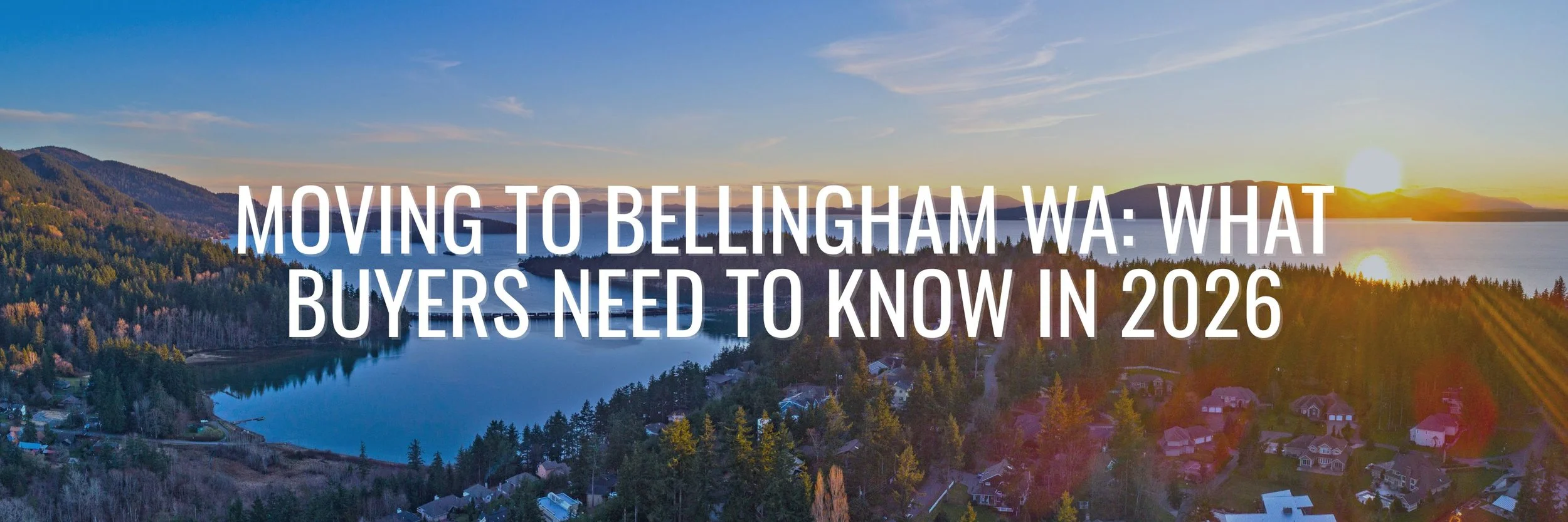
Relocating to the Pacific Northwest requires careful planning, especially when looking at the upper corner of Washington state. Buyers moving to Bellingham WA will find a unique real estate market shaped by its coastal geography and proximity to the Canadian border.
The area offers immediate access to deep-water ports, dense evergreen forests, and major interstate routes. Understanding the local housing inventory, commuting patterns, and cost of living is essential for making an informed purchase this year.
The Bellingham Housing Market and Real Estate Trends
The local real estate landscape is characterized by limited land availability due to the surrounding mountains and water. As of 2026, the median home price sits at approximately $694,000.
Average monthly rent runs around $2,026, which drives many long-term residents to explore purchasing options. Housing inventory remains tight, meaning buyers must be prepared to negotiate decisively when a property matching their criteria hits the market.
Many new construction developments and established condominium complexes carry monthly dues that impact your purchasing power. Buyers must strictly budget for closing costs and potential HOA fees before submitting an offer, as these expenses alter your actual monthly carrying costs.
Key Neighborhoods: Fairhaven, Columbia, and Barkley Village
Fairhaven features historic properties and a dense concentration of condominium units. The area is highly walkable, providing immediate pedestrian access to local retail shops, restaurants, and the waterfront.
Columbia sits closer to Bellingham Bay, featuring primarily single-family homes on larger lot sizes. The architectural styles here vary widely, but the primary draw is the proximity to the water and established streetscapes.
Barkley Village operates as a planned mixed-use development with a steady pipeline of new construction. Residents here benefit from immediate access to grocery stores, banking, and commercial centers without needing to access the main highway.
Cost of Living and Local Economy
The financial realities of Whatcom County require careful consideration before committing to a purchase. The overall cost of living in Bellingham is approximately 15 percent to 23 percent higher than the national average.
Housing and transportation expenses are the primary drivers of this elevated index. Washington state also structures its real estate transactions with specific transfer tax considerations that factor into the final closing numbers.
Remote workers moving from higher-priced markets like Seattle or California often find the prices favorable. However, buyers relying on local employment must carefully balance regional salaries against these specific housing costs to ensure long-term financial stability.
Major Employers Driving the Job Market
A stable housing market relies heavily on a consistent local economy. Bellingham benefits from a mix of healthcare, education, and industrial sectors that anchor the region.
The local job market is supported by several large institutions. The largest corporate and municipal employers stabilizing Whatcom County include:
PeaceHealth St. Joseph Medical Center, which serves as the primary healthcare hub for the region.
Western Washington University, providing thousands of administrative and academic positions.
Municipal and tribal entities, including the City of Bellingham, Whatcom County, and the Lummi Nation.
Industrial operators like BP Cherry Point, which maintain a strong presence in the regional energy sector.
Local Education: Public Schools and Higher Education
Educational infrastructure plays a significant role in property valuation and neighborhood selection. Bellingham Public Schools is currently navigating its 2026 facility planning, which includes potential future budget consolidations and boundary adjustments.
Western Washington University adds substantial economic stability to the city. The university's enrollment impacts local housing demand, particularly in neighborhoods immediately adjacent to the campus.
Buyers should independently research specific zip code boundaries when choosing a property based on school proximity. Municipal plans change, and relying on outdated boundary maps can completely alter your expected daily commute to local campuses.
Outdoor Recreation and Pacific Northwest Climate
The geographic setting of Whatcom County defines the daily routine for most residents. The climate features mild summers and the rainy, overcast winters typical of the Pacific Northwest.
Access to water recreation is a major component of life in Bellingham. Residents utilize Bellingham Bay for saltwater activities and the expansive acreage of Lake Whatcom for freshwater boating and swimming.
Inland recreation is anchored by extensive trail systems and municipal spaces like Whatcom Falls Park and Boulevard Park. For winter sports, the Mt. Baker Ski Area is located approximately 52 miles east, requiring about an hour and a half of driving.
Proximity to trailheads, parks, or waterfront access directly dictates property values in this market. Homes situated within walking distance of these natural amenities command a distinct premium and retain their resale value during market fluctuations.
Transportation and Commuting
Navigating the region depends heavily on Interstate 5, which bisects the city and connects Washington to the Canadian border. This major arterial route dictates the flow of daily traffic and regional freight.
Commuting to major metropolitan hubs requires significant travel time. Seattle is positioned 90 miles to the south, while Vancouver, BC, is located 52 miles to the north.
Regional transit options include the Bellingham International Airport and the southern terminus of the Alaska Marine Highway. Buyers evaluating homes for sale in Bellingham must calculate exact commute times to these transportation hubs, as a few miles of city traffic can drastically alter a morning routine.
Frequently Asked Questions
What is the weather like in Bellingham, WA?
The region experiences classic Pacific Northwest weather patterns. You can expect mild, dry summers and extended periods of rainy, overcast conditions throughout the winter. Snowfall in the city limits is generally light, but heavy winter conditions are common 52 miles away at Mt. Baker.
How much do I need to make to live comfortably in Bellingham, WA?
Your required income will depend on whether you are renting or buying in the current market. With the cost of living sitting 15 to 23 percent above the national average and median home prices near $694,000, buyers generally need a six-figure household income to comfortably manage a mortgage here.
What are the pros and cons of moving to Bellingham?
The primary advantages include immediate access to ocean and mountain recreation, along with a robust local craft beer and restaurant scene. The main drawbacks are the higher-than-average housing costs and the long, gray winters that require an adjustment period for out-of-state transplants.