Getting Around Bellingham WA: Transit, Traffic, and Commuting in 2026
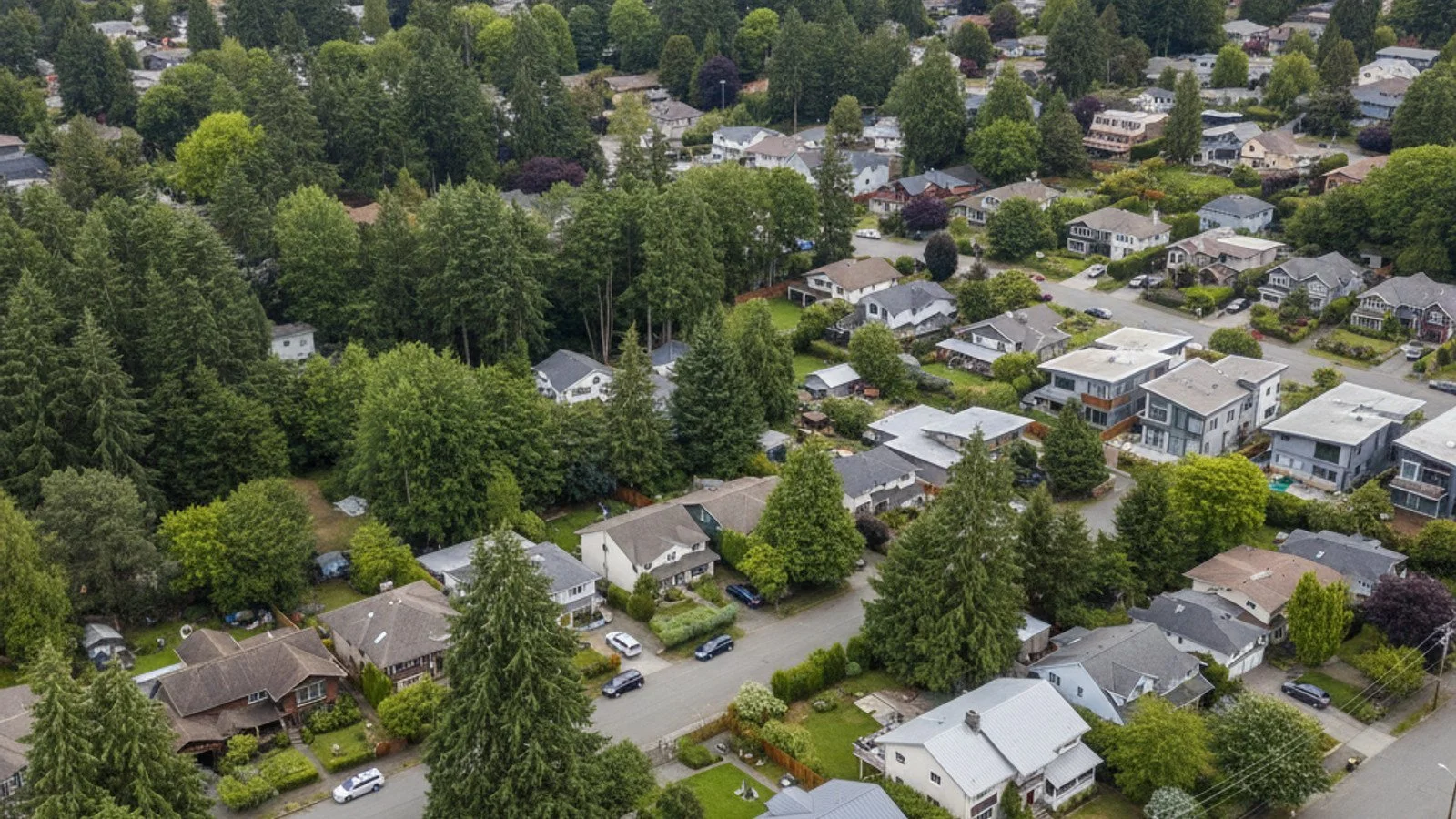
When you are looking at homes for sale in Bellingham, understanding the local commute is just as important as finding the right floor plan. This coastal city occupies a strategic position in the Pacific Northwest, sitting right between the major metropolitan hubs of Seattle and Vancouver. That unique geography means residents have access to a surprising variety of transportation options for a city of its size.
Getting around Bellingham WA involves a mix of scenic highway corridors, robust public transit, and extensive multi-use trails. Whether you are heading downtown for work or planning a weekend trip across the Canadian border, knowing the local infrastructure makes daily logistics much easier. The transportation network here is designed to support both standard vehicle commuting and active, car-free mobility.
Navigating Bellingham's Major Highways and Corridors
Driving remains the most common way to navigate Whatcom County. The city is built around a few primary arteries that handle the bulk of daily commuter traffic. Understanding these routes is essential for estimating your daily travel times.
Interstate 5 serves as the main north-south backbone of the city, connecting local neighborhoods directly to Seattle. The approximate 90-mile drive south typically takes between 1.5 and 2.5 hours depending on regional traffic conditions. Heading north on I-5 puts you at the Canadian border in short order, with downtown Vancouver roughly an hour away when excluding border wait times.
For travel within the northern parts of the county, State Route 539 - locally known as the Guide Meridian - is the crucial corridor. This route connects the city center directly to Lynden and the surrounding agricultural communities. Buyers evaluating properties in these northern zones should factor in the heavy commercial use of this road.
Local traffic patterns are generally manageable, but you will notice distinct slowdowns during peak commuting hours. The highest congestion occurs between 7:00 AM and 9:00 AM, and again from 4:00 PM to 6:00 PM. The clear takeaway for buyers is that while local traffic rarely reaches big-city gridlock, timing your travel around these peaks will save you significant frustration.
Bellingham Public Transit: Whatcom Transportation Authority
The local bus system is operated by the Whatcom Transportation Authority, widely known as the WTA. This network provides extensive fixed-route coverage throughout the city and into neighboring communities. It is a highly reliable system that makes car-free commuting a practical reality for many residents.
Transit activity centers around two primary hubs that anchor the north and south ends of the city. Bellingham Station serves the downtown core, offering quick transfers for those working in the central business district. Up north, Cordata Station handles routes servicing the retail corridors and residential developments in that sector.
Commuters connecting from the outer edges of Whatcom County frequently utilize the city's designated park-and-ride facilities. These lots allow residents to drive a short distance from home, park for free, and catch an express bus into the city center. It is an efficient way to reduce daily mileage on your vehicle while avoiding downtown parking fees.
Transit costs are currently shifting, which is important to note if you are calculating monthly expenses. Starting in September 2026, the standard fixed-route fare is scheduled to increase from $1 to $2 per ride. However, youth ages 18 and under ride entirely for free, and the WTA is introducing a $60 monthly fare cap to keep costs predictable for frequent adult riders.
Active Transportation: Walking and Biking Trails
If you prefer to commute under your own power, the city offers exceptional infrastructure for pedestrians and cyclists. Active transportation is deeply integrated into the local culture and urban planning. Dense commercial areas like downtown and Fairhaven Village feature high walkability metrics, making it easy to run errands on foot.
The true highlight of the non-motorized network is the extensive system of multi-use trails connecting different neighborhoods. The South Bay Trail provides a direct, scenic route between the downtown core and Fairhaven, allowing commuters to bypass road traffic entirely. Further inland, the Interurban Trail offers miles of protected, vehicle-free space for both cyclists and pedestrians.
Street-level cycling infrastructure is also expanding across the city. Dedicated bike lanes are integrated into major arterial roads, creating clear pathways from quieter residential zones to major employment centers. The takeaway here is that you do not need to be a recreational athlete to bike to work; the infrastructure supports casual, daily commuting.
Regional Connections: Airport, Train, and Ferry Hubs
Long-distance travel is surprisingly convenient without leaving the city limits. Bellingham serves as a major multimodal gateway for the Pacific Northwest and the Salish Sea. You do not have to drive to Seattle or Vancouver just to start a vacation or business trip.
Bellingham International Airport provides commercial flight access right in your backyard. The facility is easy to navigate and offers various shuttle services for quick connections to the rest of Whatcom County. Choosing this local airport over SeaTac often saves travelers hours of driving and parking stress.
For ground transportation, Fairhaven Station at 401 Harris Avenue acts as the central multimodal hub. This facility hosts Greyhound and FlixBus services, alongside the highly popular Amtrak Cascades line. Taking the Amtrak Cascades provides a relaxing, roughly 2-hour and 15-minute direct train trip down to Seattle.
Marine travel is another unique aspect of living in Bellingham. The nearby Bellingham Cruise Terminal connects passengers to the Alaska Marine Highway System. It also serves as a departure point for seasonal passenger ferries heading out to the San Juan Islands, making island access incredibly straightforward.
Frequently Asked Questions About Commuting in Bellingham
Do you need a car to live in Bellingham, WA?
You do not strictly need a car if you live and work near the central transit corridors. The WTA bus system and extensive trail networks make car-free living highly feasible in neighborhoods like downtown and Fairhaven. However, residents who frequently explore the surrounding mountains or commute to rural Whatcom County will find a personal vehicle necessary.
What rideshare services operate in Bellingham?
Both Uber and Lyft operate extensively throughout the city and surrounding suburbs. You can easily hail a ride from Bellingham International Airport or the downtown entertainment districts at almost any hour. Traditional local taxi services are also available for scheduled pickups and airport transfers.
Can you take a train directly from Bellingham to Seattle?
Yes, you can take a direct train to Seattle via the Amtrak Cascades route. Trains depart from Fairhaven Station and the journey takes approximately 2 hours and 15 minutes. This is a highly popular option for residents who want to avoid the unpredictable traffic on Interstate 5.