Home Staging in Bellingham, WA: How to Sell Faster and for More
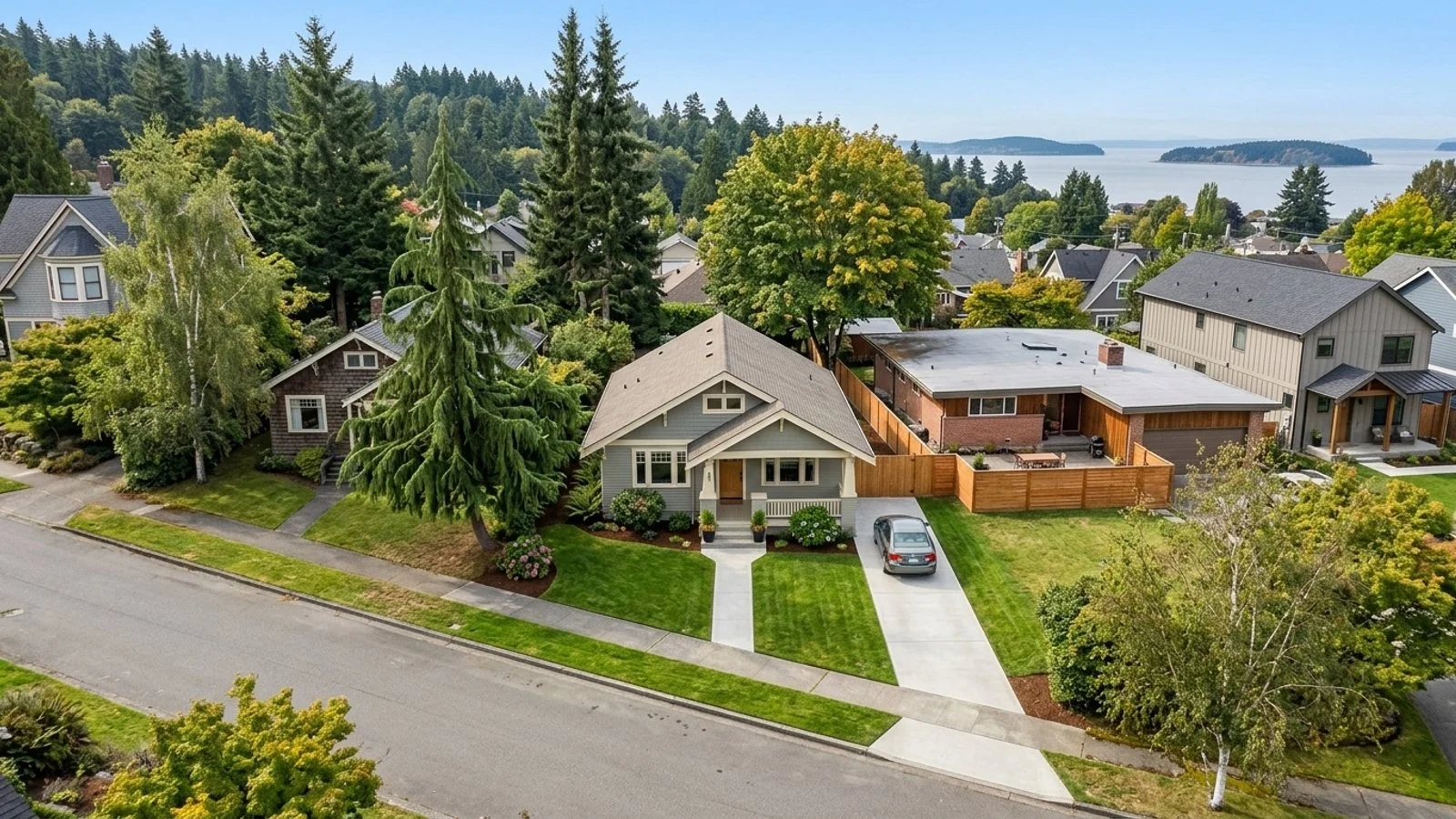
The median home sale price in Bellingham, WA recently hit approximately $662,000, with homes spending an average of just 16 days on the market. Nearly 41% of homes sell above list price. In a market moving that fast, anyone selling a home in Bellingham, WA might reasonably ask whether spending money on furniture and decor is going to move the needle.
It does - but not automatically. Home staging in Bellingham, WA is about letting buyers picture themselves living in the space the moment they walk through the door. Some homes sell quickly without it. A well-staged one tends to pull stronger offers and spend even less time sitting.
Why Home Staging Works for Bellingham Sellers
The National Association of Realtors tracks this stuff, and the numbers from the 2025 Profile of Home Staging are worth knowing. Twenty-nine percent of sellers' agents reported that staging increased the dollar value of offers by 1% to 10%. Breaking that down: 19% saw a 1% to 5% bump, and 10% saw a 6% to 10% increase.
On a $662,000 Bellingham home, a 5% increase translates to more than $33,000 in additional profit. That's not a rounding error. What staging does, underneath all the throw pillows and accent lighting, is remove visual friction - the kind that stops buyers from understanding a floor plan or seeing what an empty room could be.
How Staging Speeds Up the Sale
The same 2025 NAR report found that 30% of sellers' agents noted a slight decrease in days on market for staged homes, while 19% reported a major decrease. When a home looks move-in ready, buyers hesitate less. An offer comes faster.
Bellingham currently sits at about 2.7 months of supply. Buyers have options, but inventory is still relatively tight. A staged home shows better in listing photos, and better photos mean more foot traffic, which compresses the timeline from listing to pending.
Changing the Buyer's Perspective
Empty rooms are harder to read than people expect. Buyers struggle to judge whether a king-sized bed will fit in the primary suite or whether that awkward alcove off the hallway works as a home office. Staging answers those questions before anyone has to ask.
It also quietly redirects attention. Instead of fixating on an older baseboard or a scuffed floor, buyers focus on the flow of the space and how the rooms connect. Minor flaws don't disappear, but they stop being the thing buyers remember.
What You Should Expect to Pay for Home Staging in Bellingham
Local cost data for Bellingham puts the fair price range for home staging between $576 and $2,186, depending on the size of the home and the scope of the project. The minimum recorded cost sits around $231, with maximums reaching roughly $4,026 for extensive, whole-house staging.
Nationally, the median cost for professional staging is $1,500, which lines up closely with what you'll find locally. Thumbtack lists a $1,500 starting cost for staging professionals serving the Bellingham area, so it's a predictable line item when you're building your selling budget.
Professional Staging Price Ranges
Whether the house is vacant or occupied is the biggest driver of your final bill. Vacant homes require the stager to bring in everything - sofas, artwork, lamps, rugs - which pushes cost toward the higher end of that $2,186 local average.
Occupied homes usually cost less. The stager works with what you already have, bringing in smaller accent pieces or lighting to modernize the space, which keeps the expense closer to the lower end of the range.
Doing It Yourself on a Budget
If you want to handle it yourself, you can stay well under the $576 mark. The focus is deep cleaning, renting a storage unit for excess belongings, and picking up a few inexpensive items - fresh towels, neutral throw pillows, that kind of thing.
Don't overlook minor repairs and touch-up paint. A gallon of neutral paint and a weekend of work can refresh a room as effectively as a rented dining set.
Deciding Between Professional and DIY Staging
Professional stagers maintain warehouses of furniture and take care of all the heavy lifting, styling, and removal. When a home is completely empty, renting furniture piece by piece often gets just as expensive and time-consuming as hiring a company outright.
If you already own modern, neutral furniture, a DIY approach is frequently enough to get the home photo-ready. The decision comes down to your timeline, your budget, and the honest condition of what you own.
When to Hire a Professional
If your home is vacant, has an unusual floor plan, or has furniture that's dated enough to distract buyers, a professional stager is worth it. They know how to arrange a room so it reads larger and brighter in listing photos - and that matters more than most sellers expect.
A professional is also the right call when you're short on time. A staging team can typically transform a house in a single day, which is a lot faster than spending weeks sorting through your own decor trying to make it work.
A DIY Staging Checklist
Start by packing away family photos, personal collections, and everything sitting on the kitchen counters. You're creating a blank canvas - somewhere buyers can mentally place their own belongings without yours getting in the way.
Then go room by room and deal with the light. Open all the blinds, clean the windows inside and out, and replace any burnt-out bulbs with matching, warm-white ones. Consistent lighting makes a real difference when the listing photographer shows up.
Room-by-Room Staging Advice
Not every room deserves equal attention. The living room, primary bedroom, and kitchen are where buyers spend the most time on a tour, and they should be your first priority.
You don't need to stage every secondary bedroom or basement storage room to see results. Focus your time and money where buyers linger.
Living Rooms and Kitchens
In the living room, pull sofas and chairs away from the walls if space allows and arrange them to create a clear conversation area. Remove anything bulky - oversized recliners, coffee tables that eat up the middle of the room - that makes the space feel cramped.
Kitchens should look spotless and spacious. Clear the counters down to one or two items: a bowl of fresh fruit, a high-end coffee maker. Dish soap, sponges, and dish racks belong under the sink before any showings.
Bedrooms and Bathrooms
The primary bedroom should feel like somewhere you'd want to sleep. Crisp, white bedding, a few textured throw pillows, clear nightstands. If an oversized dresser is blocking a walkway or making the room feel small, move it.
Bathrooms get the same minimalist treatment. Put away all personal hygiene products, hang fresh white towels, and put in a new shower curtain. Scrub the grout and make sure every fixture is clean.
Staging Occupied Versus Vacant Listings
Preparing a home you're still living in is a different challenge than furnishing an empty one. With an occupied home, you're essentially trying to maintain a showroom while going about your daily life - which is harder than it sounds.
Vacant homes have the opposite problem. Empty rooms photograph smaller than they are and feel cold during an open house. Furniture isn't optional when the house has nothing in it.
Staging While You Still Live There
Rent a storage unit. Off-season clothing, excess furniture, daily clutter - all of it goes there. Keeping closets half-empty gives buyers the impression the home has generous storage, which is exactly what you want them to think.
Build a quick clean-up routine for last-minute showings. Keep empty laundry baskets handy so you can sweep mail, toys, and pet supplies into your car before buyers arrive.
Using Virtual Staging for Vacant Homes
Virtual staging uses software to add digital furniture to photos of empty rooms. It costs a fraction of physical staging and can make a vacant listing look compelling online.
The catch: buyers will still walk into an empty house on the tour. If you go the virtual staging route, leave printed copies of the staged photos on the kitchen counter so buyers can see the potential layout while they're walking through the property.
Local Home Stagers Serving Whatcom County
The Bellingham area has several established staging companies that know the local market well. Working with someone local means your home will be styled to match what buyers shopping in the Pacific Northwest expect to see.
Locally based Bellingham home staging companies include Sparrow's Loft, a full-service staging and decor company serving Whatcom and Skagit counties. Luma Design & Staging operates as a boutique interior styling studio out of the Fairhaven neighborhood.
Choosing the Right Staging Company
Staged Right Home Staging and Redesign offers services throughout Bellingham and the surrounding counties. Bellingham Bay Interior Designs is another local option - a design and staging firm with a 5.0 out of 5-star rating on Houzz.
Before you commit to anyone, look at their portfolio. A mid-century modern home needs a different approach than a traditional craftsman, and you want to make sure their style is the right fit for your property's architecture.
Questions to Ask Before Hiring
Ask every company upfront whether they own their furniture or rent it. That single detail affects both cost and availability. Then get clear on what's included in the base fee and what they charge for monthly furniture rentals if your home takes longer to sell than expected.
Clear terms from the start prevent surprise bills after you're already under contract.
Home Staging FAQs
Does home staging help sell a house faster in Bellingham?
Yes, staging frequently reduces the time a property sits on the market. According to the 2025 NAR Profile of Home Staging, 49% of sellers' agents reported a decrease in days on market for staged homes. Staged properties stand out in online photos, drawing more buyers to the home faster.
How much does it cost to stage a house in Bellingham?
The fair price range for staging in Bellingham sits between $576 and $2,186, depending on the home's size and needs. Thumbtack lists a $1,500 starting cost for local professionals, which aligns with the $1,500 national median for staging services.
What's the difference between hiring a professional stager and DIY staging?
A professional stager brings their own inventory of furniture and handles all the design, heavy lifting, and removal. DIY staging involves using your own furniture, decluttering, and purchasing small decor items yourself to save money.
How should I stage a Bellingham home I'm still living in vs. an empty one?
For an occupied home, focus on deep cleaning, renting a storage unit for excess furniture, and depersonalizing the space. For an empty home, you should hire a professional to bring in physical furniture or use virtual staging to show buyers how the rooms can be utilized.
What is virtual staging, and is it enough for my listing in Bellingham?
Virtual staging involves digitally adding furniture to photos of empty rooms to improve the online listing. While it helps attract buyers online, the physical house will still be empty during tours, so it works best when paired with printed photos left at the property.
How long does home staging take before I can officially list my house?
Professional stagers can often transform a home in a single day once they arrive with the furniture. However, you should factor in a week or two for the initial consultation, decluttering, and any minor repairs you need to complete before the stager begins.
What should I NOT do when staging my house for the Bellingham real estate market?
You should not leave personal items, family photos, or daily clutter out in the open. Avoid pushing all the furniture against the walls, and do not use bold, personalized paint colors that might distract buyers from the space itself.
Does staging impact the final sale price of a home?
Staging can increase the dollar value of offers by up to ten percent, adding significant profit to a typical sale. Before deciding on a staging budget, securing a reliable property valuation in Bellingham helps clarify your potential return on investment.
Are staging costs included in standard agent fees?
Professional staging is typically a predictable line item when building your selling budget. Sellers usually pay these expenses directly, as they are distinct from standard real estate commissions in Bellingham.