The 2026 Lettered Streets Bellingham WA Area Guide: Historic Real Estate and Downtown Access
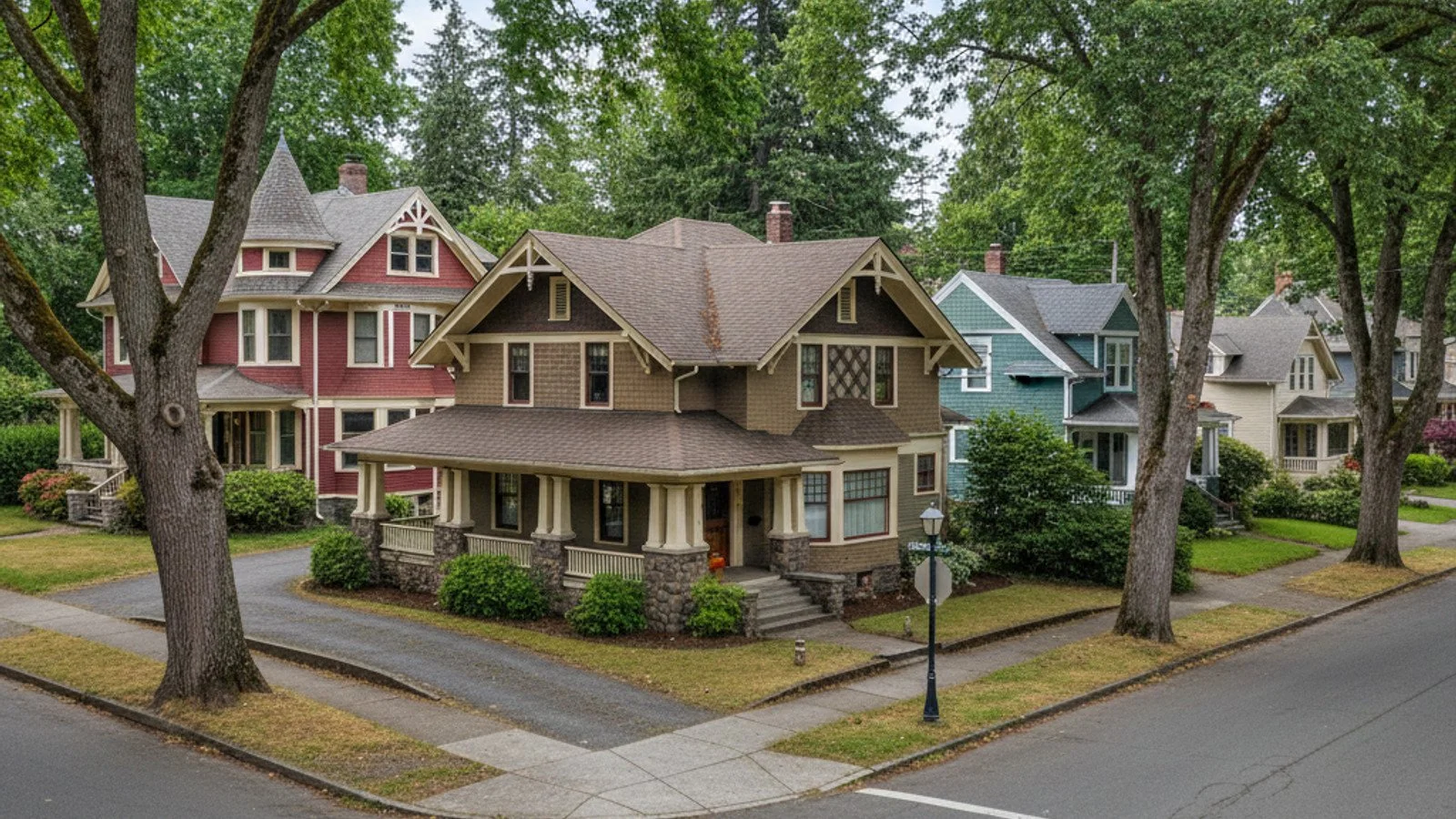
Bellingham, WA offers a variety of distinct residential areas, but few carry the historical weight and central convenience of the Lettered Streets. Located immediately northwest of the city center, this grid of avenues provides direct access to waterfront amenities and major commercial corridors. Buyers looking at the local market in 2026 often gravitate here for the distinct architectural character.
Navigating this specific market requires an understanding of older property maintenance and shifting urban development. The area blends residential blocks with small commercial spaces, creating a highly walkable environment. This Lettered Streets Bellingham WA area guide will explore the housing trends, local parks, and historical context that define the neighborhood today.
Beyond the immediate boundaries, this location serves as a strategic access point to the broader Whatcom County region. Buyers frequently target this zip code to secure a property that balances historic charm with modern urban conveniences. Understanding the nuances of this specific market is essential for making an informed purchase.
Welcome to the Lettered Streets Neighborhood in Bellingham
The Lettered Streets neighborhood traces its roots back to the 1850s, making it one of the oldest residential districts in the city. Early development was heavily fueled by the bustling sawmills situated along nearby Whatcom Creek. Today, the area has transitioned from those early settler origins into a dynamic residential hub with an ongoing revitalization effort.
One of the most significant advantages of this location is its immediate proximity to Downtown Bellingham. Residents benefit from walkable access and short commute times to local amenities along Holly Street and Dupont Street. The neighborhood's grid layout and extensive sidewalk network make navigating to the downtown core incredibly straightforward.
The zoning throughout the district allows for a unique blend of uses that you rarely find in newer subdivisions. Small local businesses and professional offices operate seamlessly out of converted historic homes right next to traditional residences. This integration reduces the need for daily driving and supports a highly localized local economy.
Historic Architecture and Property Types
The local streetscapes are defined by a high concentration of Victorian-era homes and early 1900s Craftsman houses. Most of these foundational properties were constructed between the late 1890s and the early 20th century. Buyers will find a unique mixture of traditional single-family homes, small apartment buildings, and older properties converted for office or mixed-use purposes.
Several structures in the area hold deep historical significance and are recognized on the National Register of Historic Places. Notable local landmarks include the Pickett House, the Great Northern Depot, and the Roth Block. These preserved buildings anchor the neighborhood's visual identity and heavily influence the surrounding property values.
Inside these properties, buyers frequently discover original architectural details that are difficult to replicate in new construction. Features like original fir flooring, detailed wood trim, and built-in cabinetry are common selling points. Maintaining these historical elements while updating the core systems is a common priority for local homeowners.
Lettered Streets Bellingham WA Real Estate Market Trends
The real estate landscape in this historic district remains highly competitive as we move through early 2026. Current median home prices generally range from approximately $636,000 to well over $925,000 depending on the property condition. Average days on market sit between 5 and 38 days, reflecting strong buyer interest in central Bellingham locations.
Property variations play a massive role in final sale prices and negotiation leverage. Buyers will frequently encounter historic single-family homes that require extensive retrofits, particularly concerning foundation work and electrical updates. Conversely, fully updated residences with modern amenities command premium prices and often receive multiple offers within their first week listed.
The clear takeaway for buyers in 2026 is to budget for potential renovations if targeting an untouched historic home. Working with an inspector familiar with century-old construction is an absolute necessity in this specific market. Understanding the true cost of historic preservation will prevent unexpected expenses after closing.
Lot sizes in the district are generally compact, which is typical for early 20th-century urban planning. This translates to smaller yard maintenance requirements, appealing to buyers who prefer exploring city amenities over weekend landscaping. Off-street parking can be limited, making properties with dedicated driveways or detached garages highly sought after.
From an investment standpoint, the neighborhood maintains strong historical appreciation rates. The combination of limited housing inventory and high demand for downtown-adjacent living keeps property values stable. Buyers entering the market in 2026 should be prepared with strong financing and a clear understanding of local transfer tax requirements.
Navigating the local MLS requires a strategic approach, as the best historic properties often sell before the first public open house. Working closely with a real estate agent who understands the specific nuances of century-old homes is crucial. They can help identify potential red flags in older foundations or outdated electrical panels before you submit an offer.
Local Parks and Recreation Opportunities
Access to green space is a key feature of the Lettered Streets layout. The neighborhood is home to the 1.4-acre Fouts Park, which provides a central outdoor gathering space. This compact park features mature trees, open grassy areas, and a neighborhood playground for local residents.
Just on the edge of the neighborhood boundaries sits the 2.4-acre Maritime Heritage Park along Whatcom Creek. This larger recreational area includes a working fish hatchery, an outdoor amphitheater, and multi-use paths. The trails here connect seamlessly into the broader city network, offering pedestrian access directly to the Bellingham Bay waterfront.
Additional connectivity is provided by the Old Village Trail, which routes walkers and cyclists through the historic sections of the district. The area's consistent grid of sidewalks ensures that reaching these outdoor spaces does not require a vehicle. This level of pedestrian infrastructure remains a major selling point for buyers prioritizing an active lifestyle.
The integration of Whatcom Creek into the local park system provides a unique natural corridor right through the urban center. Seasonal salmon runs bring wildlife viewing opportunities directly to the edge of the neighborhood. This natural waterway acts as a buffer between the residential blocks and the commercial intensity of the downtown core.
Beyond the formal parks, the neighborhood's mature tree canopy provides significant shade and visual appeal during the summer months. The city of Bellingham actively maintains the public right-of-ways, ensuring the historic streetscapes remain accessible year-round. These green infrastructure elements contribute heavily to the overall residential experience.
Bellingham Public Schools Assigned to Lettered Streets
Properties within the Lettered Streets boundaries fall under the jurisdiction of the Bellingham Public Schools district. The objective school assignments for this area start with Parkview Elementary School. This campus serves the youngest students in the neighborhood and is located a short distance to the north.
For older students, the assigned middle school is Whatcom Middle School. This historic brick campus is actually situated physically inside the Lettered Streets boundaries, making it a prominent local landmark. The central location means many students residing in the neighborhood have a very brief commute to the middle school campus.
Finally, the designated high school for the community is Bellingham High School. Located just east of the neighborhood, it is easily accessible via the main east-west arterial roads. Buyers researching specific attendance zones should always verify exact property addresses with the district, as boundaries can occasionally shift.
The physical integration of these school campuses into the surrounding residential blocks heavily influences the daily traffic patterns. During morning and afternoon hours, the sidewalks see increased pedestrian activity from local students. The district's commitment to maintaining these historic neighborhood schools aligns well with the overall preservation goals of the area.
Frequently Asked Questions About Lettered Streets
What is the Lettered Streets neighborhood in Bellingham, WA like?
The area is a historic, grid-style neighborhood featuring a dense collection of Victorian and Craftsman homes. It offers a highly walkable environment with direct pedestrian access to Downtown Bellingham and waterfront parks. The integration of small commercial spaces among residential blocks creates a dynamic, urban-adjacent atmosphere.
What other neighborhoods are near Lettered Streets in Bellingham?
This district is bordered by several distinct Bellingham communities. The Columbia neighborhood sits directly to the northwest, while the Sunnyland neighborhood is located to the northeast across Interstate 5. The Downtown district immediately borders the area to the south, providing rapid access to major commercial centers.
Where can I find property listings or homes for sale in Lettered Streets?
Active listings can be found through the local Northwest Multiple Listing Service. Working directly with a licensed real estate agent in WA is the most effective way to tour these historic homes. Many brokerages also maintain updated online portals highlighting properties specifically within the Lettered Streets boundaries.