Exploring the Market in 2026: A York Bellingham, WA Area Guide
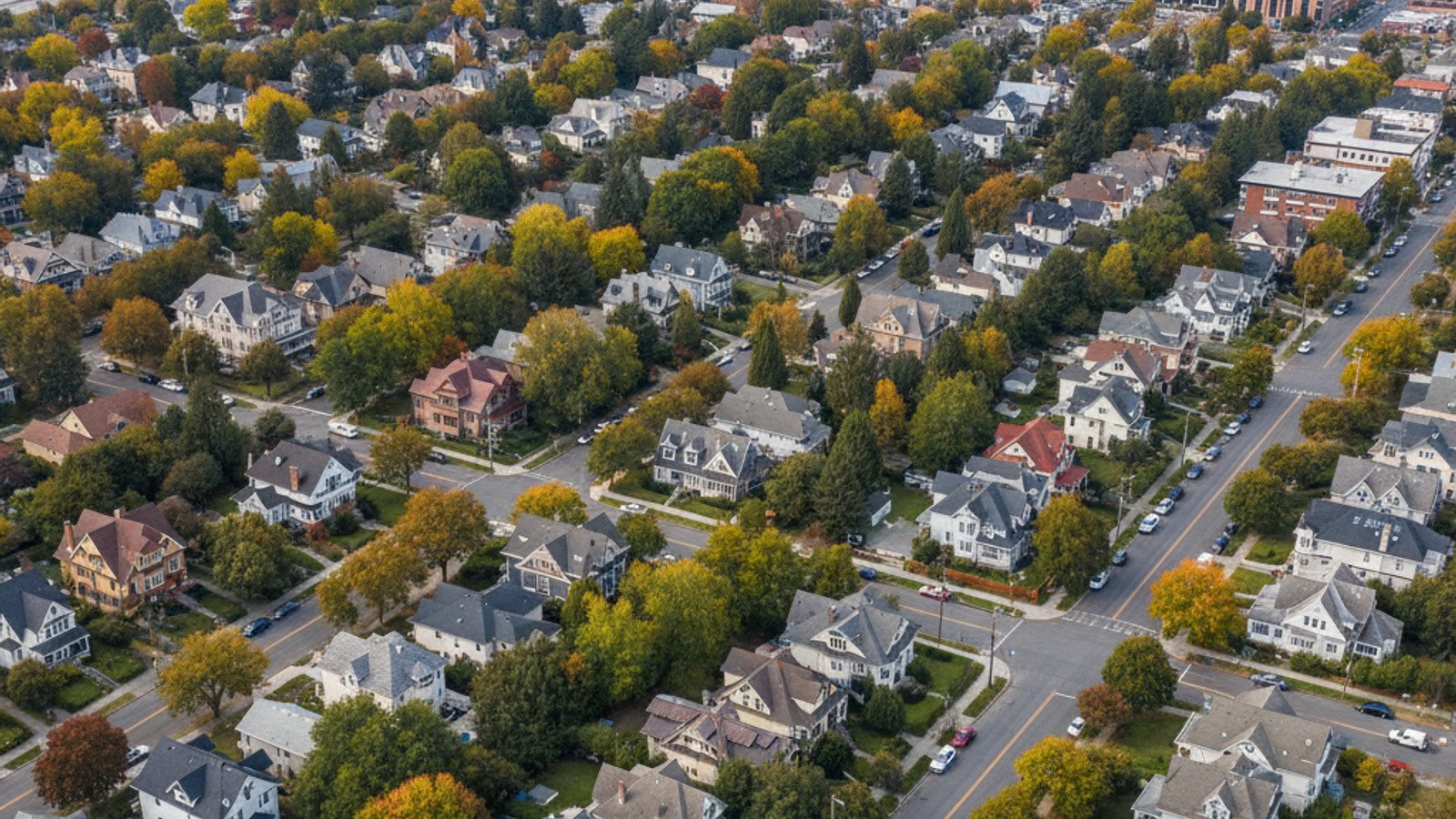
Bellingham's real estate landscape offers a diverse mix of new developments and historic districts, but few areas capture the city's original character quite like the York neighborhood. Situated just east of the downtown core, this densely populated residential grid provides immediate access to major commercial hubs and transportation routes. Buyers looking at the market in 2026 will find a unique blend of preserved architecture and modern urban convenience.
Navigating the local housing inventory requires an understanding of how specific neighborhood boundaries impact property values and daily commutes. The York area stands out for its high density and historical roots, making it a distinct micro-market within Whatcom County. This guide breaks down exactly what prospective buyers and investors can expect when evaluating properties in this central location.
Welcome to the York Neighborhood Overview
Whatcom Creek forms the northern edge, Interstate 5 borders the east, and the bustling Downtown Bellingham commercial district sits directly to the west. This strategic location places residents at the intersection of local commerce and regional transit.
Originally established as an early middle-class residential zone, the area is characterized by its organized grid-planned streets and alleys. It maintains one of the highest population densities in the city, reflecting its compact design and historical development patterns. The layout prioritizes efficient land use, which translates to closely spaced homes and shared community corridors.
Securing a property near the city center often requires compromises on lot space, but the trade-off in accessibility is unmatched. Buyers targeting the York area gain a significant advantage in transit efficiency and proximity to urban amenities. This makes the neighborhood an exceptionally practical choice for those who value location over sprawling acreage.
Historic Architecture and Real Estate Prices
The architectural landscape in York is heavily defined by well-preserved single-family homes constructed between 1890 and 1910. Buyers touring the area will frequently encounter classic Victorian, Bungalow, and Craftsman styles lining the grid streets. Many of these properties still feature their original elevated sandstone foundations, a distinctive historical marker of early Bellingham construction.
Properties here are primarily built on smaller parcels, with average lot sizes hovering around 4,356 to 4,480 square feet. The housing market is currently split between long-term, owner-occupied residences and rental properties serving the local student population. This dynamic creates a varied streetscape where meticulously restored historic homes sit alongside multi-tenant rentals.
Investing in a historic property here requires careful inspection of century-old systems, but the long-term value retention is substantial. Restoring an older Victorian or Craftsman in this specific market yields excellent equity growth, provided the foundational elements are sound. Buyers willing to navigate the complexities of historic homeownership will find the financial returns highly rewarding.
Current 2026 Real Estate Market Trends
As of April 2026, the median listing price for a standard two-bedroom property in the neighborhood generally ranges from $550,000 to $575,000. These figures represent homes that may require some cosmetic updates but possess solid structural integrity. The exact pricing heavily depends on the condition of the historic foundation and the usability of the compact lot.
Larger, fully renovated properties command a significant premium in the current market climate. Historic homes with three or more bedrooms that have undergone comprehensive modern updates typically list between $600,000 and $850,000. Buyers must act decisively when these turnkey properties hit the market, as inventory for fully restored homes remains consistently tight.
Daily Commutes and Transportation in York
Navigating the York neighborhood is straightforward due to its traditional grid layout, which features paved alleyways, established sidewalks, and designated bike lanes. This infrastructure supports a highly connected environment where non-motorized transit is both practical and efficient. The street design naturally slows through-traffic, prioritizing pedestrian and cyclist movement.
For regional travel, residents have immediate access to Interstate 5 located along the neighborhood's eastern boundary. Major thoroughfares like Lakeway Drive, Ellis Street, and Samish Way host reliable Whatcom Transportation Authority bus routes. Buyers should note that properties situated directly against the eastern border may experience elevated freeway noise from the interstate.
Relying entirely on a car is practically optional in this section of Bellingham. The robust network of bus routes and bike lanes provides a level of transit independence rarely found in more suburban markets. For buyers looking to reduce their daily driving miles, this neighborhood offers one of the most efficient transportation setups in Whatcom County.
Proximity to Downtown Bellingham and WWU
The downtown commercial core is located just 0.5 to 1 mile west of the neighborhood boundaries. This short, highly walkable distance allows residents to access retail centers, restaurants, and employment hubs within minutes. The flat terrain leading into downtown further enhances the appeal of walking or biking for daily errands.
The Western Washington University campus is situated less than 2 miles south of the neighborhood. Commuting to the university via bicycle or WTA bus takes only a fraction of the time compared to driving from the northern suburbs. This strategic proximity effectively eliminates the exhausting extended commutes common in larger metropolitan areas.
Local Amenities and Green Spaces
Harriet Spanel Park serves as the primary recreational hub for the neighborhood on the former Franklin School site. The facility features expansive open fields, a well-maintained basketball court, and a modern playground structure. This centralized green space provides a vital outdoor recreation area within the densely developed residential grid.
Beyond the main park, residents have access to smaller community greenspaces that break up the urban landscape. Rock Hill Park offers a quieter, more secluded outdoor experience, while the York Community Farm focuses on local agricultural initiatives. These pocket parks add essential breathing room to the neighborhood's compact layout.
Nelson's Market stands as a cornerstone local business, having operated continuously in the neighborhood since 1895. Having a historic, fully functional corner store within walking distance is an increasingly rare amenity in modern real estate. Properties located within a few blocks of these long-standing local fixtures often enjoy enhanced market resilience.
Bellingham Public Schools Assigned to York
Properties within the York neighborhood fall under the jurisdiction of the Bellingham Public Schools district. The specific school assignments depend heavily on the exact location of the home within the neighborhood grid. Buyers must always verify current attendance boundaries directly with the district before finalizing a purchase.
Because district boundary lines can shift over time, relying on outdated listing information can lead to unexpected enrollment changes. Securing a home within a highly rated public school district provides excellent long-term property value stability. Access to these established educational facilities remains a strong selling point for central Bellingham real estate.
Currently, residential addresses in this area are assigned to several specific facilities based on exact street location. The primary school assignments typically include the following options:
Elementary: Lowell Elementary School or Carl Cozier Elementary School.
Middle: Fairhaven Middle School or Kulshan Middle School.
High: Sehome High School.
Frequently Asked Questions
What types of homes are available in the York neighborhood?
The housing inventory primarily consists of historic Victorian, Bungalow, and Craftsman single-family properties. The majority of these homes were constructed between 1890 and 1910. Buyers will frequently find preserved architectural details like elevated sandstone foundations alongside modern interior updates.
Is the York neighborhood walkable to Downtown Bellingham?
Yes, Downtown Bellingham is a highly walkable 0.5 to 1-mile distance from the neighborhood. The grid-planned streets and established sidewalks make pedestrian travel exceptionally straightforward. This close proximity allows residents to easily access the commercial core without relying on a vehicle.
What are the average property lot sizes in York?
Most properties in the neighborhood are built on smaller lots averaging between 4,356 and 4,480 square feet. This specific sizing contributes to the area's high population density and compact, urban layout. The smaller land parcels require less exterior maintenance while maximizing the use of central city space.